PUMP SYSTEM TECHNICAL ARTICLES
Engineering guides, best practices, and industry insights from Pumps By Design
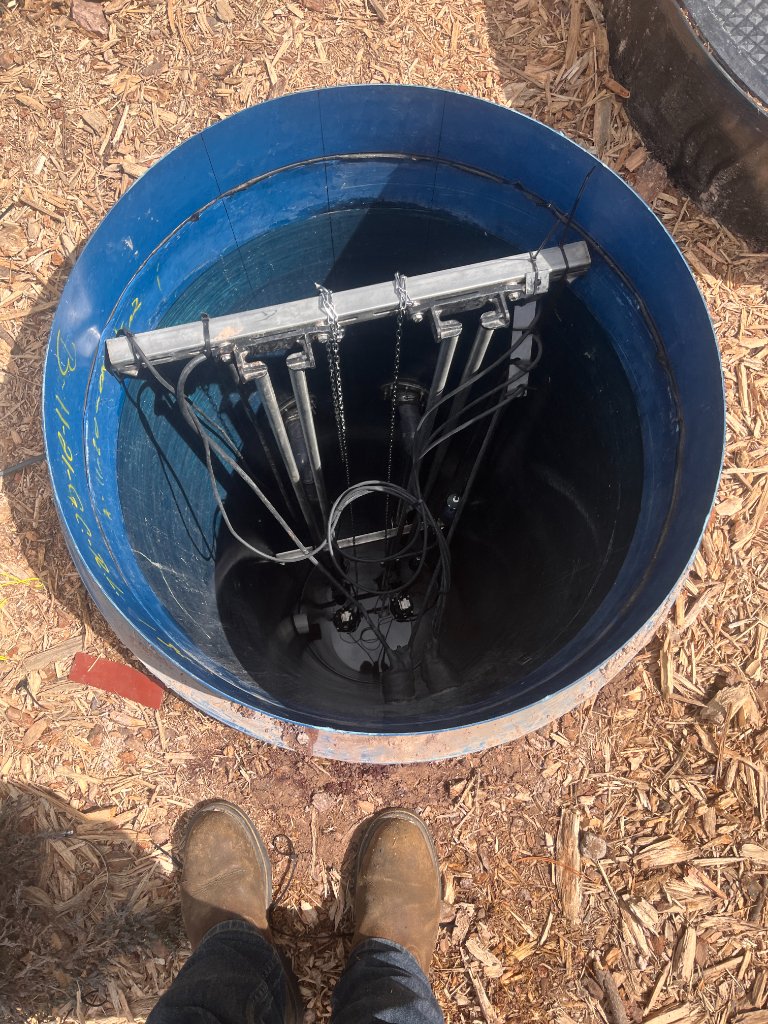
How to Size a Sewage Lift Station
A step-by-step guide covering wet well volume, pump selection, TDH calculations, and redundancy requirements for residential and commercial sewage lift stations.
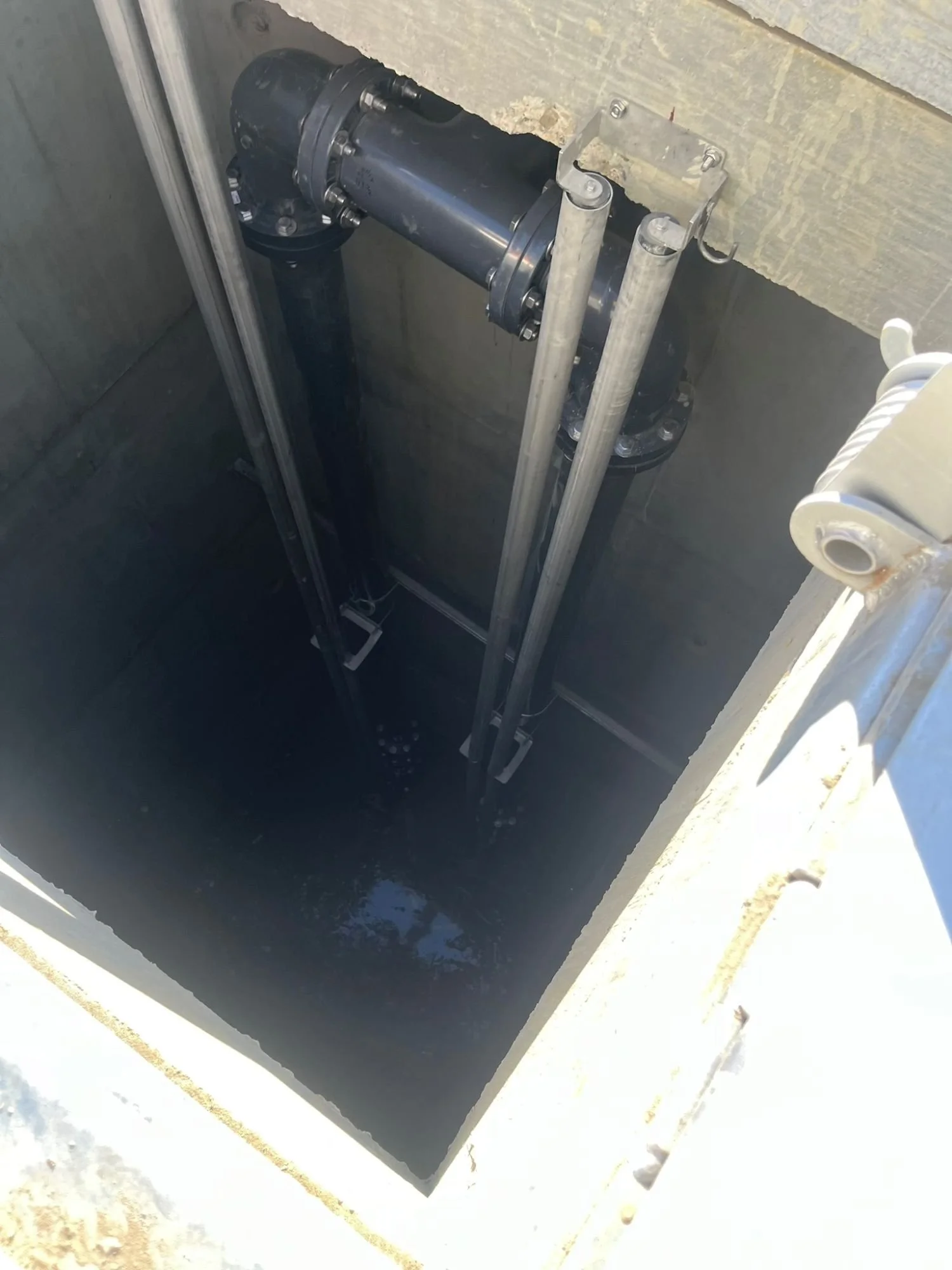
Stormwater Pump Station Design: Key Considerations
From design storm selection to pump curve analysis, learn what goes into engineering a compliant stormwater pump station for LID and WQMP projects in Southern California.
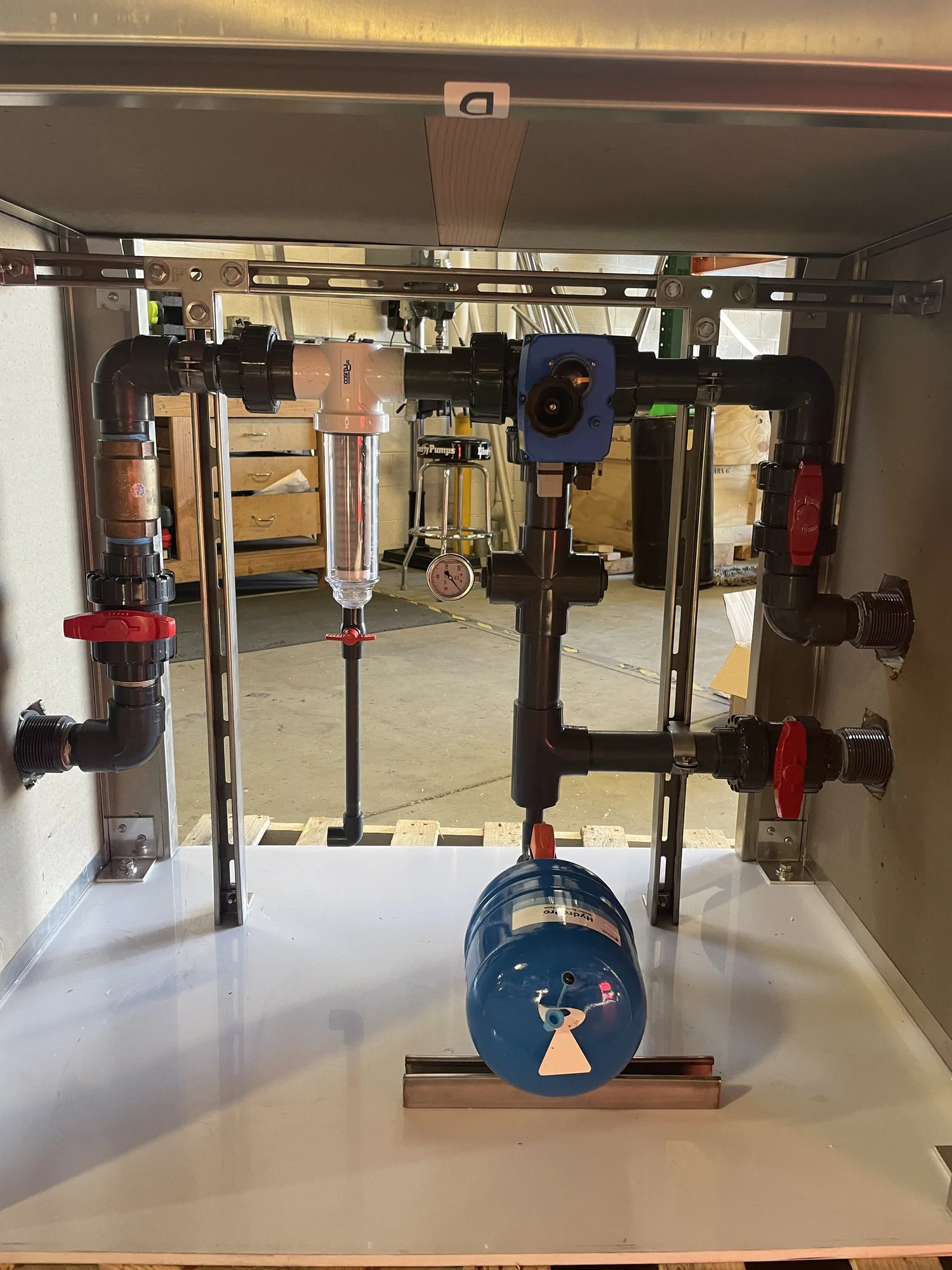
Rain Harvesting Systems in California: What You Need to Know
Water recycling regulations, cistern sizing, pump selection, and permit requirements for residential and commercial rain harvesting systems in California.
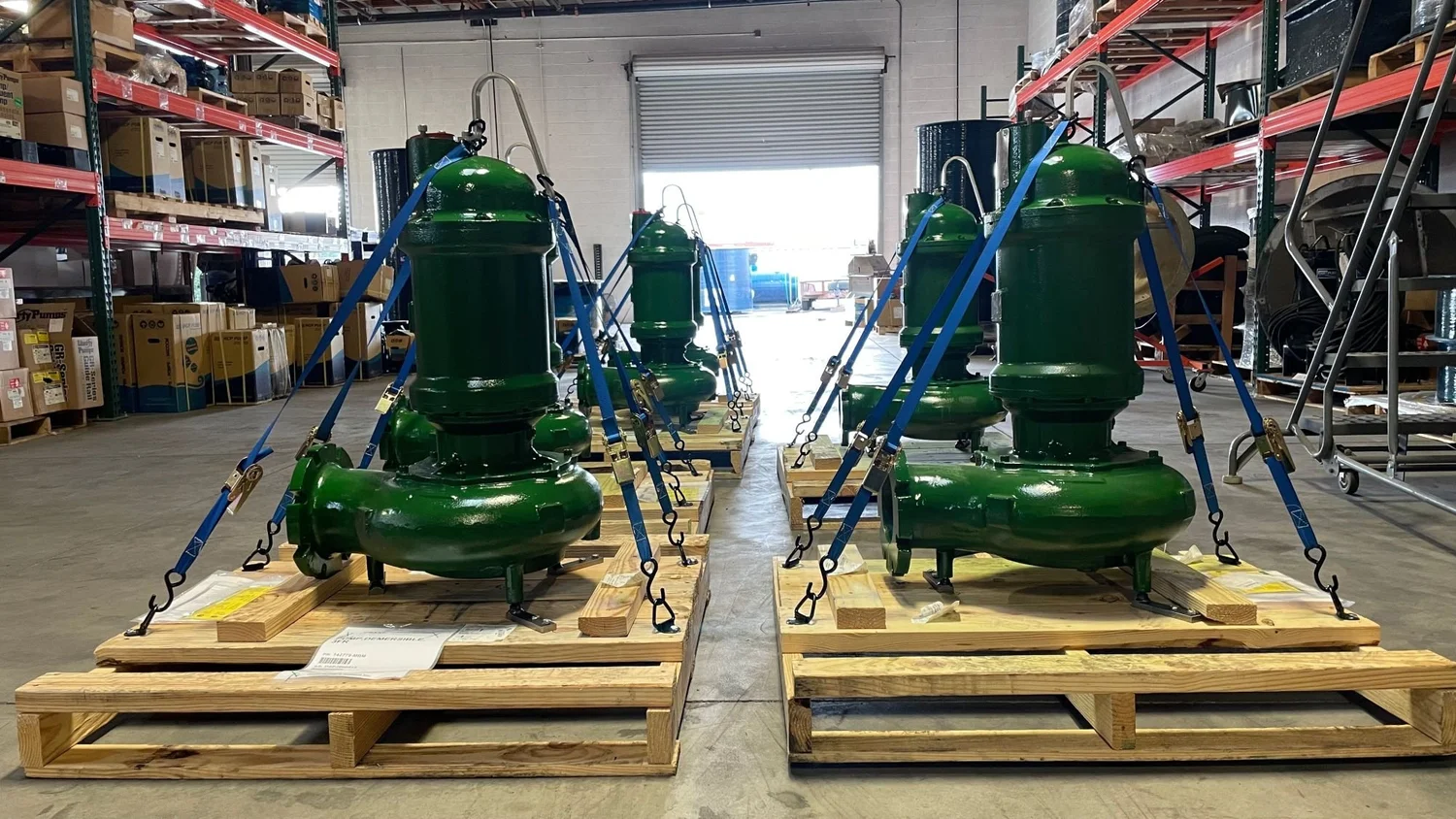
Submersible Pump Maintenance: A Practical Field Guide
Routine maintenance tasks, warning signs, and service intervals to maximize the life of submersible pumps in lift stations and stormwater systems.
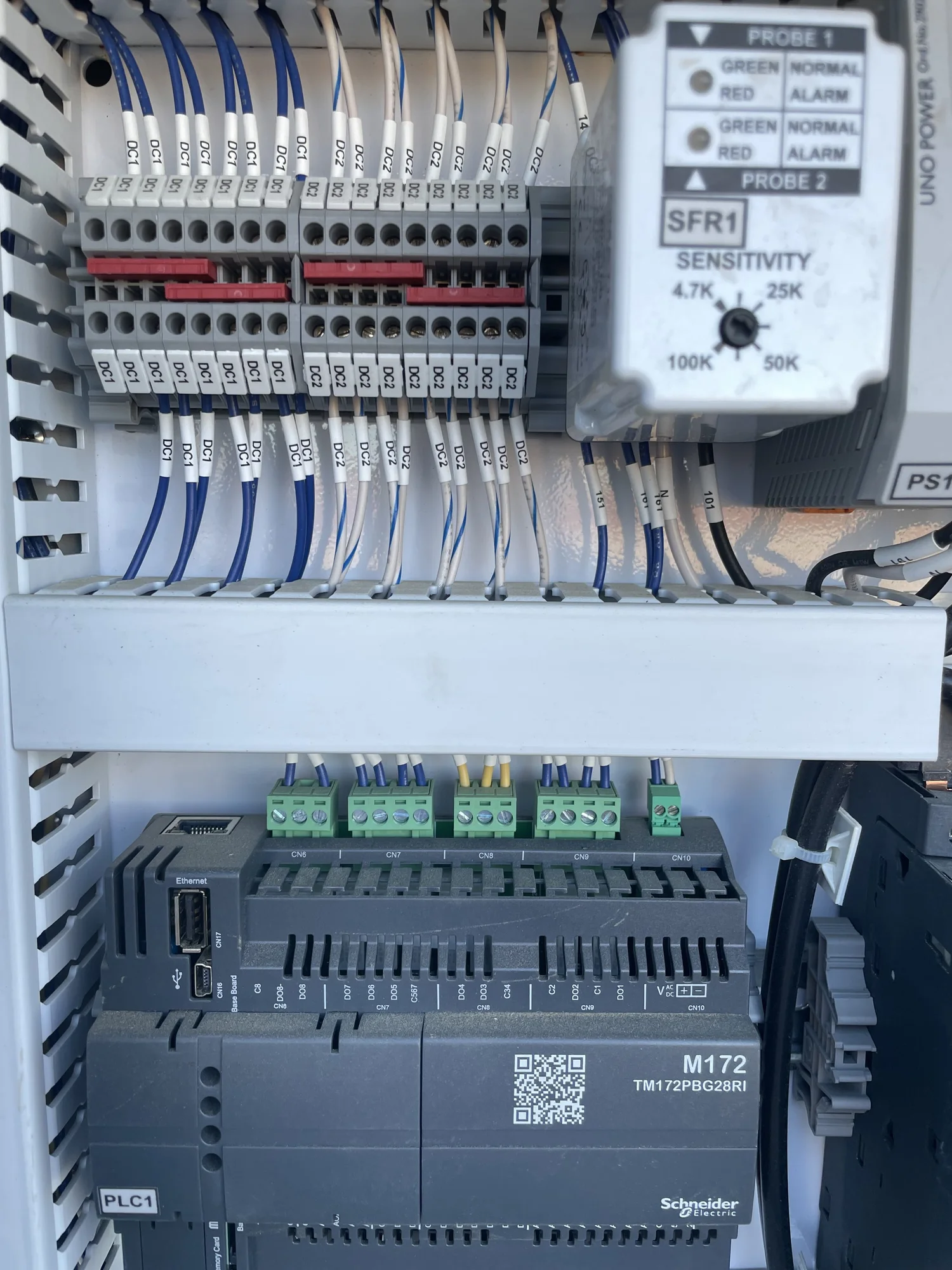
VFD-Controlled Pump Systems: Benefits and When to Use Them
Variable frequency drives can reduce energy use, smooth pump starts, and improve pressure control in suitable systems. Learn when they justify the added cost.
Field Guide: Submersible Lift Station Size Classes
Very small, small, medium, and large submersible stations are designed differently. Here is how flow range changes pump type, wet well layout, and controls.
Why Size Class Matters
Submersible wastewater stations are commonly grouped by design flow in GPM. The class drives pump style, basin material, valve arrangement, and how operators service the station.
Very Small Stations (under about 80 GPM)
- Typical for single buildings, small commercial sites, and pressure sewer connections
- Often use grinder or small solids-handling pumps in a fiberglass or polyethylene basin
- Simplex or duplex arrangements with float controls are common
Small Stations (about 80 to 500 GPM)
- Serve subdivisions, schools, and commercial centers
- Duplex solids-handling pumps on guide rails in a precast or fiberglass wet well
- Valves are often placed in a separate valve vault for safe access
Medium and Large Stations (above about 500 GPM)
- Municipal and regional service, frequently triplex or larger
- Larger precast structures, VFDs, standby power, and SCADA monitoring
- Hydraulic transient (surge) analysis is often required on long force mains
Field Checks Before Startup
- Confirm pump rotation, guide rail alignment, and discharge connection seating
- Verify float or transducer elevations against the approved drawings
- Record amp draw and run test each pump at the design duty point
These ranges are guidelines; the governing agency's criteria always control. Submit a design request and we will size the station for your site.
Field Guide: Guide Rail Systems for Submersible Pumps
Guide rails let operators lift a pump out of the wet well without entering it. Learn the parts, materials, and installation checks that keep them working.
Field Guide: Floats vs. Pressure Transducers for Level Control
Both float switches and submersible transducers can run a lift station. Compare reliability, setup, and maintenance to choose the right level control.
HAVE A SPECIFIC ENGINEERING QUESTION?
Our engineers provide free technical guidance on pump system design and sizing.